LOS ALTOS, Calif., March 4, 2026 /PRNewswire/ -- XYRA LLC announces that the US Patent and Trademark Office (USPTO) has issued a patent (No. 12,551,706) protecting the use of dose adjusted budiodarone for the treatment of atrial fibrillation (AF), with monitoring to correspondingly reduce or delay the risk of stroke and/or congestive heart failure. AF can both cause or markedly worsen existing heart failure, and heart failure very often leads to AF. The combination of these two commonly occurring cardiac conditions is difficult to treat and may lead to poor outcomes. Loss of atrial contraction in AF has been demonstrated to reduce cardiac output, resulting in a 5-fold increase in the risk of heart failure, stroke, and death. In one recent study, up to 40% of hospitalized AF subjects were also determined to have heart failure. Unfortunately, many current approved drug therapies to treat AF also depress ventricular function, which can precipitate or exacerbate heart failure; hence, such therapies cannot be used to manage AF in patients with or at risk of heart failure. There is an urgent need for new AF rhythm control agents that are safe, effective, and well tolerated in patients with current heart failure and that can be used to reduce the risk of heart failure development, which develops in 7-10% of AF subjects each year.

Reducing AF burden (AFB), eliminating long episodes of AF (LEAF), and restoring normal sinus rhythm have been shown to markedly improve symptoms and lessen heart failure progression. With the widespread use of FDA-approved wearable AF monitoring devices for arrhythmia detection, it is now possible to identify subjects with high AFB, LEAF and symptoms; these patients are at high risk of complications, including stroke, heart failure, and progression to permanent AF. Budiodarone has been shown to markedly reduce the number and duration of AF episodes, restoring atrial contraction and normal sinus rhythm. In another study, it does not depress ventricular function and is well tolerated in AF subjects with heart failure. Dose adjusted budiodarone may provide a new safe and effective treatment option in AF patients to inhibit development of or treat heart failure in a personalized manner with patient monitoring.
"In recent years, there has been a marked growth in both atrial fibrillation and heart failure, which are integrally related and difficult to treat. Unfortunately, many of the drugs used to treat atrial fibrillation are contraindicated in patients with heart failure," said Peter Milner, MD, FACC, and managing member of XYRA. He added, "We plan to investigate the use of monitored, dose-adjusted budiodarone in Phase 3 clinical trials as an effective, safe, and well-tolerated treatment option for AF rhythm control in patients including those who have heart failure, and as a treatment to reduce the development of heart failure in at-risk AF patients."
About Budiodarone:
Budiodarone is currently in Phase 3 studies and is a potentially first-in-class mixed ion channel blocker with esterase metabolism, with a significantly shorter half-life than amiodarone and no evidence of tissue accumulation in human or animal studies. Budiodarone has been shown to treat AF by controlling symptoms, eliminating LEAF, reducing AF burden, and maintaining normal sinus rhythm.
About Atrial Fibrillation:
Atrial Fibrillation (AF) is the most common sustained arrhythmia in adults, with approximately 44 million individuals estimated to have AF worldwide. It is associated with thromboembolic risk, impairment in cardiac performance, and other morbidities. In addition to patients with symptomatic AF, an AF diagnosis is often first detected after a stroke, the development of left ventricular dysfunction, or incidentally. The management of AF has evolved over time. Due to accumulating evidence of improved outcomes, previous management strategies that focused on simple ventricular rate control have evolved to present therapies that seek to restore and maintain normal sinus rhythm. AF may be treated with anti-arrhythmic drugs (AAD), electrophysiological ablation, or some combination of the two.
About XYRA LLC:
XYRA LLC is a private biopharmaceutical company committed to developing innovative therapies for cardiac rhythm disorders with high unmet need. Xyra's mission is to make AF management comparable to that of other common cardiac conditions like hypertension and hypercholesterolemia, in which upward dose titration of effective drugs, guided by simple, widely available monitoring tools to confirm compliance and response to therapy, has consistently improved outcomes.
For information: www.xyra.us
Logo - https://mma.prnewswire.com/media/2346659/5834609/Xyra_Logo.jpg

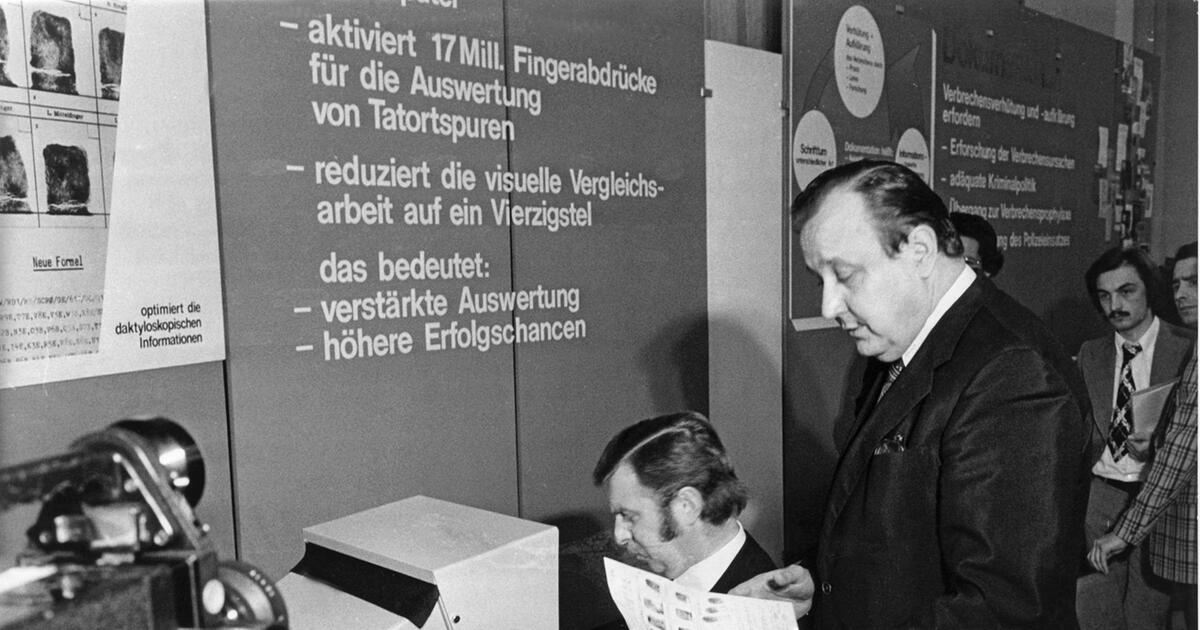
Zum 75. Jahrestag des Bundeskriminalamts (BKA) stellt Präsident Holger Münch die IT-Strategie der Behörde unter das Leitmotiv der digitalen Souveränität. Das Amt wolle vorhandene Daten für Ermittlungen deutlich besser nutzbar machen, ohne sich dabei in die Abhängigkeit einzelner ausländischer IT-Anbieter zu begeben, sagte Münch der Deutschen Presse-Agentur. In einer Zeit, in der Abhängigkeiten gezielt ausgenutzt werden könnten, müsse genauer geprüft werden, welche Produkte man einkauft und welche Fähigkeiten im eigenen Haus aufgebaut werden, so der BKA-Chef.
Im Zentrum steht für Münch nicht nur die Hoheit über die eigenen Daten, sondern auch die wirtschaftliche und politische Unabhängigkeit von Herstellern. Als Risiko nennt er etwa drastische Erhöhungen von Lizenzgebühren. IT-Fachleute verweisen darüber hinaus auf die wachsende Sorge, politischer Druck könne sich eines Tages in Form gesperrter Zugänge zu Daten oder sogar einer Fernabschaltung von Software durch US-Anbieter äußern. Vor diesem Hintergrund gewinnt die Frage, wie Ermittlungsbehörden ihre technischen Grundlagen gestalten, an strategischer Bedeutung.
Ein prominentes Beispiel für die Debatte ist der US-Anbieter Palantir. Dessen Analyseplattform "Gotham" wird bereits in mehreren Bundesländern eingesetzt, darunter Bayern, Hessen, Nordrhein-Westfalen und Baden-Württemberg. Der Hersteller betont, die Datenhoheit verbleibe vollständig bei den jeweiligen Polizeibehörden. Auf Bundesebene signalisiert Bundesinnenminister Alexander Dobrindt (CSU) jedoch nach Darstellung Münchs derzeit kaum Bereitschaft, diese Software für die Bundessicherheitsbehörden zu nutzen. Damit rückt ein eigenständiger Ansatz in den Fokus, der nicht auf eine einzige Komplettlösung setzt.
Münch beschreibt als Zielbild eine IT-Landschaft, die aus verschiedenen Modulen unterschiedlicher Entwickler besteht. Kernstück soll eine Datenintegrationsschicht sein, die das BKA am Markt einkauft. Auf dieser Ebene sollen dann unterschiedliche Analysewerkzeuge laufen – teils bereits vorhandene Systeme, teils Eigenentwicklungen und ergänzend zugekaufte Tools. Erst eine solche Architektur ermögliche es, bislang getrennt vorliegende Informationen aus verschiedenen „Töpfen“ gemeinsam auszuwerten und für operative Ermittlungen nutzbar zu machen. Für die Strafverfolger geht es damit um mehr als reine Effizienzgewinne: Die technische Infrastruktur wird zum zentralen Baustein, um Handlungsfähigkeit und Unabhängigkeit der Behörde langfristig zu sichern.

 View original content: