CHANGZHOU, China, Sept. 24, 2026 /PRNewswire/ -- TrinaTracker, a global provider of smart tracking systems and a wholly owned subsidiary of Trina Solar Co., Ltd. (SHA: 688599), has launched two self-developed robotic products: BUILDEX PV Module Installation Robot and AURORA PV Cleaning Robot, to expand its Smart PV Ecosystem.
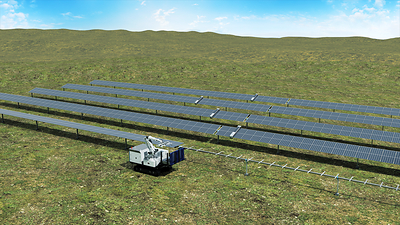
Since the beginning of the year, TrinaTracker has transformed from a tracking system equipment supplier into a Smart PV and Robotics Solution Provider. By integrating high-reliability trackers, AI algorithms, installation and cleaning robots, as well as engineering and intelligent operations services, the company delivers a full lifecycle solution for PV power plants by optimizing plant design, improving construction and O&M quality, and reducing operational costs.
BUILDEX PV Module Installation Robot: Breaking Construction Bottlenecks
Large-scale PV projects have traditionally relied heavily on manual module installation, resulting in heavy labor input, long construction cycles, high costs, inconsistent installation precision and safety risks, hindering barriers to standardized rollout. BUILDEX reshapes PV construction through automated, standardized and intelligent workflows.
Powered by high-precision AI vision positioning and integrated precision mechanical control systems, BUILDEX autonomously completes module picking, transportation, alignment and placement. It adapts to complex terrain and diverse tracker layouts, reducing labor intensity and safety risks while improving installation accuracy and delivery speed for large-scale solar bases.
AURORA PV Cleaning Robot: Safeguarding Energy Yield and Enabling Refined Smart O&M
PV plants operate under harsh outdoor conditions. Dust and stains on module surfaces block sunlight and reduce power generation, undermining long-term plant revenue. Conventional manual cleaning is constrained by terrain, weather, labor and safety risks, making it unsuitable for large-scale refined O&M. AURORA delivers unmanned, non-damaging, regular and intelligent cleaning to maintain module cleanliness, boost power output, lower long-term O&M costs and unlock asset value.
Combining AI & Robotics: Redefining PV Asset Value
TrinaTracker's investment in AI and robotics is not merely hardware iteration, but a strategic upgrade of its full-stack "Tracker+" smart energy ecosystem. AI serves as the digital brain for robotic hardware, connecting construction automation and routine O&M. Physical PV assets are coupled with digital twins to help plant owners lower LCOE and maximize asset value.
Global operational data from TrinaTracker's worldwide portfolio fuels continuous AI algorithm optimization, equipping its robots with strong adaptability for complex terrain, extreme weather and dynamic structural conditions. Robot data integrates with Trina's digital platform to create a new model of fully automated, intelligent PV plant management.
The rollout of AI robotic products marks a key milestone in TrinaTracker's transformation from "equipment leadership" to "digital & intelligent leadership". Moving forward, TrinaTracker will continue advancing PV intelligence, enriching its robot portfolio and deepening AI integration across PV scenarios to refine the "Tracker+" ecosystem. The company will deliver all-in-one smart PV solutions to accelerate global solar development and support clean energy transition and carbon neutrality goals.
 View original content to download multimedia:https://www.prnewswire.co.uk/news-releases/trinatracker-launches-two-robots-to-expand-its-smart-pv-ecosystem-302889017.html

Mit einem Gottesdienst und einer Abschlusspressekonferenz endet an diesem Donnerstag in Fulda die Herbstvollversammlung der Deutschen Bischofskonferenz. Unter der Leitung ihres neuen Vorsitzenden, des Münsteraner Bischofs Heiner Wilmer, haben die katholischen Bischöfe seit Montag eine Vielzahl gesellschafts- und kirchenpolitischer Themen beraten. Auf der Agenda standen Fragen der demokratischen Kultur in Deutschland, die Aufarbeitung sexuellen Missbrauchs, ethische Konfliktfelder wie Leihmutterschaft sowie der Umgang mit neuer Technologie wie Künstlicher Intelligenz. Hinzu kamen innerkirchliche Schwerpunkte wie die Entwicklung der Erwachsenentaufen, die Mitwirkung von Laien und der Einsatz in sozialen Medien.
Deutlich positionierten sich die Bischöfe zum politischen Klima im Land. Wilmer warnte mit Blick auf eine mögliche Regierungsbeteiligung der AfD in Sachsen-Anhalt vor einem „Paradigmenwechsel“. Die Partei stelle die Grundwerte des gesellschaftlichen Zusammenlebens infrage und wolle „ein anderes Deutschland“, sagte der Vorsitzende zum Abschluss der Beratungen. Besonders kritisch sehen die Bischöfe, dass einige Positionen der AfD aus ihrer Sicht mit dem christlichen Glauben und dem zugrunde liegenden Gottes- und Menschenbild nicht vereinbar seien.
Der DBK-Vorsitzende stellte sich demonstrativ hinter den Magdeburger Bischof Gerhard Feige und das Bistum Magdeburg, vor allem mit Blick auf Spekulationen über mögliche Folgen einer AfD-geführten Landesregierung. Diskutiert wird in diesem Zusammenhang, ob etwa der Einzug der Kirchensteuer zur Disposition stehen könnte. Die Kirche müsse „mit allem rechnen“ und stelle sich so auf, „dass wenn große Erschütterungen kommen sollten, wir gewappnet sind“, betonte Wilmer. Es dürfe nicht sein, dass ein Bistum durch politische Weichenstellungen im Nachteil sei.
Die Bischöfe sehen sich zugleich mit einem Stimmungsumschwung in Teilen ihrer eigenen Basis konfrontiert. Nach Aussage Wilm ers ist es „erschreckend“, wenn rund 30 Prozent der Katholikinnen und Katholiken in Ostdeutschland die AfD wählen, die in Sachsen-Anhalt als gesichert rechtsextrem eingestuft ist. Als Antwort auf wachsenden Antisemitismus und gesellschaftliche Polarisierung verweist die Bischofskonferenz auf die jüdisch-christliche Tradition, auf Menschenwürde und Solidarität. Auftrag der Kirche sei es, mit den Menschen zu reden, ihnen zuzuhören und so den gesellschaftlichen Zusammenhalt zu stärken.
Neben der politischen Lage blieb die Kirche bei der Vollversammlung auch mit eigenen Reform- und Krisenthemen befasst. Die Bischöfe berieten über weitere Schritte bei der Aufarbeitung von sexuellem Missbrauch und diskutierten, wie Laien stärker an Entscheidungsprozessen beteiligt werden können. Zudem rückten neue Handlungsfelder in den Blick: Die wachsende Bedeutung von Social Media und der Einsatz Künstlicher Intelligenz in Pastoral und Verwaltung werfen für die Kirche Fragen nach Verantwortung, Transparenz und ethischen Leitplanken auf. Die Beschlüsse und Leitlinien der Konferenz sollen in den kommenden Monaten in den Diözesen konkretisiert werden.