Enterprise-wide initiative will identify, develop and scale high-impact AI opportunities to drive productivity, innovation and growth.
Nabil Hayel Saeed: "The HSA AI Lab marks the next chapter in our transformation journey. We are combining HSA's decades of experience, talent and resilience with artificial intelligence to transform how we work, how we compete and how we grow."
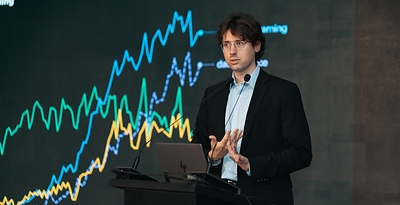
DUBAI, UAE, Sept. 15, 2026 /PRNewswire/ -- HSA Group has announced the launch of the HSA AI Lab, an enterprise-wide initiative designed to accelerate the adoption of responsible artificial intelligence across the business and translate AI opportunities into measurable business impact.
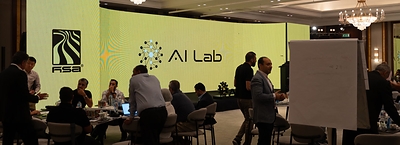
The Lab will identify, develop and scale high-impact AI solutions across HSA's businesses, with a focus on increasing productivity, improving decision-making, strengthening operations and creating new opportunities for growth.
The launch follows an extensive assessment of AI opportunities across the business, during which 229 opportunities were identified and subsequently narrowed to 38 priority opportunities based on their potential impact and feasibility.
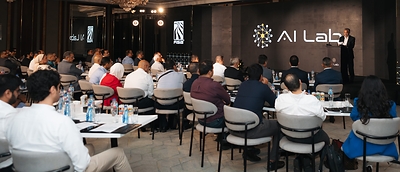
To launch the Lab and shape its priorities, HSA convened more than 40 leaders from across its businesses, sectors and functions for a two-day working session focused on moving from ideas to implementation.
The HSA AI Lab will focus on four areas: building AI capabilities across the workforce, enabling AI-powered automation, developing integrated AI systems and exploring new AI-enabled businesses.
The Lab is co-led by Mohamed Nabil Hayel Saeed and Theo Breward, who will oversee its strategy, execution and engagement with businesses across the Group.
As part of its approach, the HSA AI Lab will partner with leading AI companies, technology providers and experts from around the world, bringing the best global capabilities, expertise and innovation to HSA.
Mr Nabil Hayel Saeed Anam, Managing Director and Regional Chairman of HSA Group – Yemen, said:
"The HSA AI Lab marks the next chapter in our transformation journey. We are combining HSA's decades of experience, talent and resilience with artificial intelligence to transform how we work, how we compete and how we grow."
He added: "Our ambition is not simply to explore AI, but to turn it into measurable impact. We will use it to increase productivity, improve decision-making, strengthen our businesses and empower our people. The future will not wait—and neither will HSA."
Under the Lab's operating model, HSA businesses and functions will lead individual AI initiatives, supported by the Lab's expertise, governance and responsible AI principles to ensure AI is deployed safely, ethically and effectively across the business. The Lab builds on HSA's wider transformation journey and will help carry that progress forward by turning innovation into practical solutions and tangible business results.
About HSA Group
HSA Group (HSA), established in 1938, is one of the largest multinational conglomerates based in the Middle East. As the parent organization to over 70 operating companies, HSA employs more than 35,000 people globally. Over the past 88 years, the Group has expanded and diversified across key markets including the Kingdom of Saudi Arabia, Egypt, Yemen, the UAE, Malaysia, Indonesia, the UK, Canada and Africa, with subsidiaries operating in services, manufacturing, and commercial industries. Headquartered in the UAE, HSA is globally recognized for its well-balanced investment portfolio, efficient manufacturing systems, and market-leading products, earning its reputation as a trusted multinational, multi-billion-dollar corporation.
HSA also plays a key role in supporting development and humanitarian initiatives across the Middle East and beyond. The Group partners with UN agencies and organizations such as the World Food Programme (WFP) and the World Health Organization (WHO) to deliver public health, nutrition, and food security programs.
For nearly 90 years, HSA has embraced a values-driven approach to sustainable growth, guided by the founding philosophy of "doing well by doing good." The company's core values prioritize compassion, care for others, and a strong sense of community, shaping how it collaborates with employees, partners, and the societies it serves worldwide.
Media Contact:
Maamoun Yafi, Chief Communication Officer Email: media@hsa.com.ye
Website: hasglobal.com
 View original content to download multimedia:https://www.prnewswire.co.uk/news-releases/hsa-group-launches-ai-lab-to-drive-its-next-era-of-transformation-302879542.html

Mit einem Gottesdienst und einer Abschlusspressekonferenz endet an diesem Donnerstag in Fulda die Herbstvollversammlung der Deutschen Bischofskonferenz. Unter der Leitung ihres neuen Vorsitzenden, des Münsteraner Bischofs Heiner Wilmer, haben die katholischen Bischöfe seit Montag eine Vielzahl gesellschafts- und kirchenpolitischer Themen beraten. Auf der Agenda standen Fragen der demokratischen Kultur in Deutschland, die Aufarbeitung sexuellen Missbrauchs, ethische Konfliktfelder wie Leihmutterschaft sowie der Umgang mit neuer Technologie wie Künstlicher Intelligenz. Hinzu kamen innerkirchliche Schwerpunkte wie die Entwicklung der Erwachsenentaufen, die Mitwirkung von Laien und der Einsatz in sozialen Medien.
Deutlich positionierten sich die Bischöfe zum politischen Klima im Land. Wilmer warnte mit Blick auf eine mögliche Regierungsbeteiligung der AfD in Sachsen-Anhalt vor einem „Paradigmenwechsel“. Die Partei stelle die Grundwerte des gesellschaftlichen Zusammenlebens infrage und wolle „ein anderes Deutschland“, sagte der Vorsitzende zum Abschluss der Beratungen. Besonders kritisch sehen die Bischöfe, dass einige Positionen der AfD aus ihrer Sicht mit dem christlichen Glauben und dem zugrunde liegenden Gottes- und Menschenbild nicht vereinbar seien.
Der DBK-Vorsitzende stellte sich demonstrativ hinter den Magdeburger Bischof Gerhard Feige und das Bistum Magdeburg, vor allem mit Blick auf Spekulationen über mögliche Folgen einer AfD-geführten Landesregierung. Diskutiert wird in diesem Zusammenhang, ob etwa der Einzug der Kirchensteuer zur Disposition stehen könnte. Die Kirche müsse „mit allem rechnen“ und stelle sich so auf, „dass wenn große Erschütterungen kommen sollten, wir gewappnet sind“, betonte Wilmer. Es dürfe nicht sein, dass ein Bistum durch politische Weichenstellungen im Nachteil sei.
Die Bischöfe sehen sich zugleich mit einem Stimmungsumschwung in Teilen ihrer eigenen Basis konfrontiert. Nach Aussage Wilm ers ist es „erschreckend“, wenn rund 30 Prozent der Katholikinnen und Katholiken in Ostdeutschland die AfD wählen, die in Sachsen-Anhalt als gesichert rechtsextrem eingestuft ist. Als Antwort auf wachsenden Antisemitismus und gesellschaftliche Polarisierung verweist die Bischofskonferenz auf die jüdisch-christliche Tradition, auf Menschenwürde und Solidarität. Auftrag der Kirche sei es, mit den Menschen zu reden, ihnen zuzuhören und so den gesellschaftlichen Zusammenhalt zu stärken.
Neben der politischen Lage blieb die Kirche bei der Vollversammlung auch mit eigenen Reform- und Krisenthemen befasst. Die Bischöfe berieten über weitere Schritte bei der Aufarbeitung von sexuellem Missbrauch und diskutierten, wie Laien stärker an Entscheidungsprozessen beteiligt werden können. Zudem rückten neue Handlungsfelder in den Blick: Die wachsende Bedeutung von Social Media und der Einsatz Künstlicher Intelligenz in Pastoral und Verwaltung werfen für die Kirche Fragen nach Verantwortung, Transparenz und ethischen Leitplanken auf. Die Beschlüsse und Leitlinien der Konferenz sollen in den kommenden Monaten in den Diözesen konkretisiert werden.