LONDON, March 5, 2026 /PRNewswire/ -- Corporate fleet electrification represents a significant economic and climate opportunity for Europe, according to the EY–Eurelectric report Fleet Forward: powering the transition to electric mobility.

The report finds that transitioning Europe's corporate fleets could unlock up to €246 billion in cumulative operating cost savings by 2030. It also estimates that full fleet electrification could reduce up to one billion tonnes of CO₂ emissions by 2030.
Operating expenditure advantages are already visible across key fleet segments. The report shows that electric cars and light commercial vehicles can deliver meaningful per-kilometer operating cost savings compared with internal combustion engine equivalents, particularly where depot or home charging dominates. Electric trucks can also achieve lower operating costs on defined routes where charging strategy and CO₂-based tolling frameworks align.
However, the report makes it clear that operating cost advantages alone will not drive scale. Total cost of ownership remains influenced by higher upfront vehicle prices, residual value uncertainty, uneven incentive structures and delays in grid connection and charging deployment.
Constantin M. Gall, EY Global Aerospace, Defense & Mobility Leader, says:
"The report shows that fleet electrification is already delivering operating–cost advantages in many fleet segments; however, total cost of ownership is still burdened by several structural constraints given the nascency of this new ecosystem and the ongoing change process. Upfront cost disadvantages, residual–value risk, fragmented policy frameworks, and grid bottlenecks are slowing investment decisions into BEVs. The ability to address these barriers will determine how quickly fleet electrification can scale."
According to the report, coordinated action is required across the ecosystem. Fleet operators must align vehicles with real duty cycles and maximize depot-based smart charging, which the report identifies as a key lever to reduce energy costs and improve operating margins. OEMs must narrow upfront price gaps, improve battery transparency and strengthen residual value confidence through buyback programs and standardized data. Policymakers must provide stable, multi-year fiscal and regulatory certainty. Grid operators and energy providers must accelerate connection timelines and invest in anticipatory capacity to support electrified depots and charging corridors. Financiers and leasing providers must scale bundled and risk-sharing models that reduce balance sheet exposure.
Kristian Ruby, Secretary General of Eurelectric, says:
"In the EU, 6 out of 10 new vehicles are sold to fleet owners, so the potential to save money and emissions is enormous. A well-designed fleet initiative can boost demand for BEVs to the benefit of European Industry and energy independence."
The report highlights that progress is real and the economic case is strengthening, but unlocking the full value of fleet electrification depends on practical coordination across industry, energy and policy actors.
Read the full EY–Eurelectric report here.
Logo - https://mma.prnewswire.com/media/2804231/EY_Logo.jpg

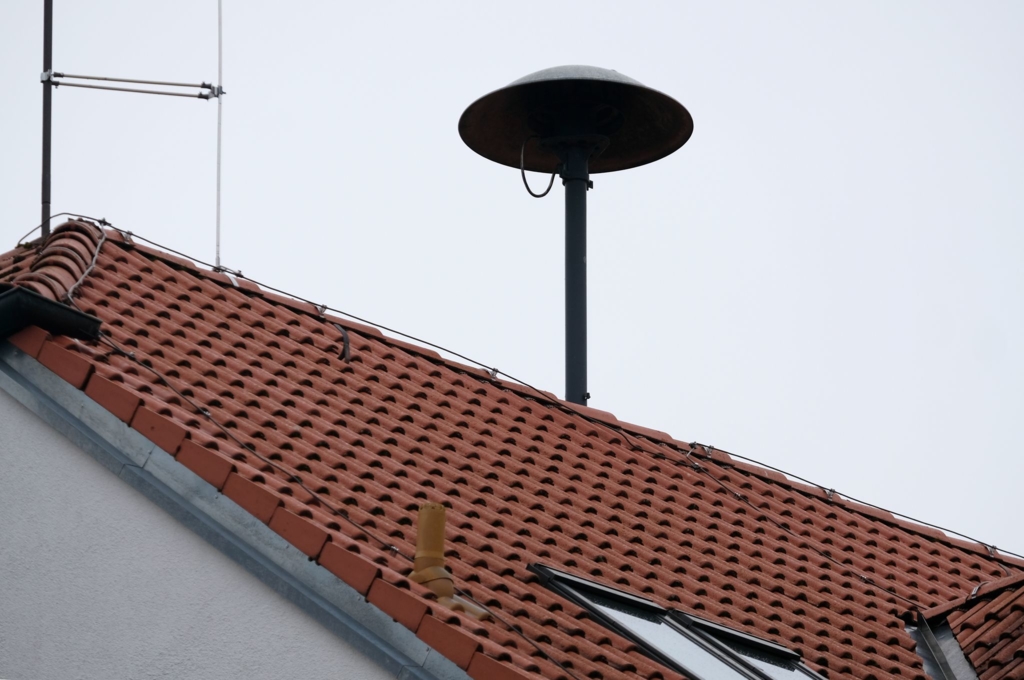
Heulende Sirenen und vibrierende Smartphones haben am Donnerstagvormittag in weiten Teilen Bayerns den jährlichen Warntag geprägt. Über Apps wie Nina und Katwarn, laut heulende Sirenen, Lautsprecherdurchsagen und digitale Stadtwerbetafeln sollte der Probealarm nahezu zeitgleich bei der Bevölkerung ankommen. Ergänzt wurde das System durch Cell Broadcast, das Warnmeldungen direkt an alle empfangsbereiten Mobiltelefone in einer Funkzelle sendet – auch dann, wenn das Gerät stumm geschaltet ist.
In der Praxis zeigte sich jedoch ein differenziertes Bild. Nach Angaben des bayerischen Innenministeriums trafen die Nachrichten je nach Telefonanbieter teilweise erst mit einigen Minuten Verzögerung auf den Handys ein. Auch bei Sirenen, Lautsprechern und Werbetafeln kam es zu „kleineren regionalen Verzögerungen oder Problemen“. Insgesamt sei der Probealarm dennoch „überwiegend störungsfrei“ verlaufen, betonte Innenminister Joachim Herrmann (CSU) und zog damit eine überwiegend positive Bilanz des Tests.
Technische und nutzerseitige Faktoren spielten beim Ablauf eine spürbare Rolle. Nicht in allen Fällen lösten die per Cell Broadcast verschickten Warnungen die erwarteten lauten Signaltöne aus. Neben Netzeffekten können auch Einstellungen und der technische Zustand der Endgeräte den Empfang beeinflussen: Veraltete Betriebssysteme oder ein aktivierter Flugmodus verhindern, dass die Meldungen zugestellt oder angezeigt werden. Der Test machte damit sichtbar, dass die Alarminfrastruktur nicht nur von der staatlichen Technik, sondern auch von der Gerätebasis der Nutzerinnen und Nutzer abhängt.
Neu war in Bayern die systematische Erprobung der Entwarnung über Cell Broadcast. Diese wurde bewusst in der niedrigsten Warnstufe und ohne Signalton ausgespielt, um nicht unnötig zu stören. Je nach Konfiguration erschien sie daher auf manchen Displays gar nicht, obwohl die Übertragung technisch erfolgt war. Parallel dazu wurden auch die akustischen Signale klassisch erprobt: In vielen Regionen ertönte ein einminütiger auf- und abschwellender Heulton als Warnsignal, gefolgt von einem einminütigen gleichbleibenden Ton zur Entwarnung. Die Staatsregierung verfolgt mit den regelmäßigen Probeläufen das Ziel, sowohl die technischen Systeme unter Realbedingungen zu testen als auch die Bevölkerung mit den unterschiedlichen Warnkanälen vertraut zu machen.

 View original content: