First-of-its-kind London summit convenes tech, industry, academic, policy, and advocacy leaders
LONDON, March 12, 2026 /PRNewswire/ -- Exiger, the market-leading supply chain AI company, today announced it is the headline partner of Ethica '26: Human Rights in Supply Chains Leadership Summit, the first and largest human rights and supply chain event. Convened by Slave-Free Alliance and Hope for Justice on March 17, 2026, in London, Ethica '26 brings together global leaders and executives from procurement, compliance, sustainability, legal, government, and civil society to address one of the defining challenges of global commerce: embedding human rights into the architecture of modern supply chains

The event kicks off as a wave of new legislation sweeps across the globe, including the U.S., Canada, the United Kingdom, and European Union, dramatically increasing regulatory, investor, and consumer pressure on businesses to act decisively and proactively to protect human rights. The inaugural summit theme, "From Risk to Resilience: Future-Proofing Supply Chains," reflects a growing global consensus that, far more than a reputational concern, human rights risk is a central operational, regulatory, and economic security priority.
"Supply chains are instruments of economic power, but without transparency and accountability, they can easily become vectors of exploitation," said Exiger CEO Brandon Daniels. "Many industries and governments and even society itself can fall prey to accepting that human rights abuses are an unfortunate, but inevitable byproduct of complex, global supply chains. But nothing could be further from the truth. With AI, we've unlocked radical transparency and the opportunity to completely reinvent how we architect supply chains. Collectively, we can solve this problem, and Ethica' 26 is bringing this urgent imperative to the global stage."
Examining the most effective technologies, policies, and long-term strategies, Ethica '26 features a diverse speaker lineup including Sheffield Hallam University Professor of Human Rights and Contemporary Slavery Dr. Laura Murphy, Hope for Justice and Slave-Free Alliance CEO Tim Nelson, and the UK Independent Anti-Slavery Commissioner, as well as representatives from AstraZeneca, Hilton Foods, and Novartis. Exiger's Global Head of Client Delivery Lauren Elliott will deliver keynote remarks, "How AI Is Transforming Forced Labour Detection Across the Supply Chain," at the event. She will also join a session on "the end of plausible deniability," and the global redesign required to respond to the emerging era of greater visibility and enforcement.
This announcement follows the kickoff of several 2026 Exiger initiatives aimed at combating the spread of forced labor. In January, the company launched forcedlabor.ai built by Exiger–a revolutionary free AI tool for companies to find forced labor in their supply chains. At the World Economic Forum's Annual Meeting in Davos, Exiger helped launch the Global Data Partnership Against Forced Labour's new report, Harnessing Data and Intelligence for Collective Advantage: Ending Forced Labour in Global Supply Chains.
For more information and to secure your place, visit https://www.ethica.slavefreealliance.org.
About Exiger
Exiger is a relentless force in the global fight against modern slavery, leveraging cutting-edge AI, grassroots partnerships, and government collaboration to transform supply chain transparency and combat forced labor. With over 550 corporate and government customers, Exiger's platform monitors 20 billion supply chain records for exploitation risks across critical industries. Through collaborations with NGOs such as Hope for Justice, Anti-Slavery Collective, and the Human Trafficking Institute, Exiger has empowered investigations into forced labor in Ugandan tea plantations, microelectronics, fake fashion, and solar panel production. By partnering with agencies supporting the U.S. Forced Labor Enforcement Task Force, Exiger is not only aiding in rescuing workers and disrupting unethical practices but is also advancing the sea change and global wave of anti-forced labor legislation. Recognized by Fast Company, The Wall Street Journal, S&P, Forbes, and People, and cited by Fortune 500 customers, Exiger's mission is clear: Eliminate forced labor and champion a transparent and ethical world. Learn more at Exiger.com and follow Exiger on LinkedIn.
For more information, please contact:
Kody Gurfein
Chief Marketing Officer
1.914.393.0398

Photo - https://mma.prnewswire.com/media/2932849/Ethica_26.jpg
Logo - https://mma.prnewswire.com/media/378374/Exiger_Blk_Logo.jpg
 View original content:https://www.prnewswire.co.uk/news-releases/exiger-headlines-human-rights-and-supply-chain-event-ethica-26-302712614.html

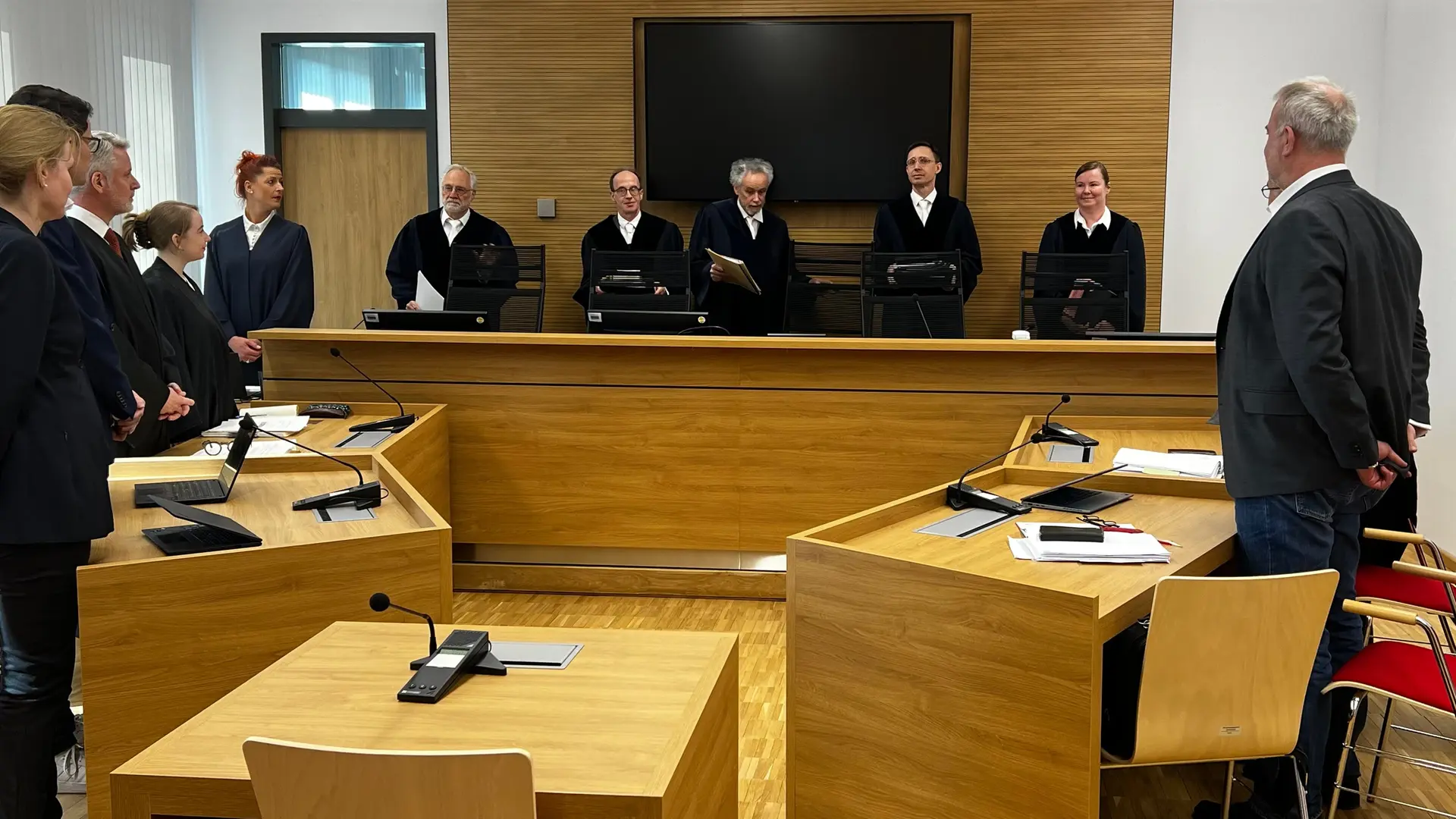
Die weitreichende Sonntagsöffnung in vielen Urlaubsorten Mecklenburg-Vorpommerns steht vor einem grundlegenden Neustart. Das Oberverwaltungsgericht (OVG) Greifswald hat die seit 2025 geltende Bäderregelung für unwirksam erklärt. Die Richter kamen zu dem Schluss, dass die Landesverordnung den verfassungsrechtlich geschützten Sonntagsschutz überdehnt, weil sie zu vielen Geschäften an zu vielen Sonntagen die Öffnung erlaubt. Damit folgte das Gericht der Klage der Dienstleistungsgewerkschaft Verdi, die eine Aushöhlung des arbeitsfreien Sonntags moniert hatte.
Die gekippte Regelung sollte Händlern in den touristischen Orten des Nordostens ähnliche Wettbewerbsbedingungen sichern wie im benachbarten Schleswig-Holstein, mit dem Mecklenburg-Vorpommern um Feriengäste konkurriert. Sie ermöglichte Ladenöffnungen in 84 als touristisch definierten Orten an einem großen Teil der Sonn- und Feiertage im Jahr. Aus Sicht des Gerichts ging der Ausnahmetatbestand damit zu weit: Wenn Geschäfte an zwei von drei Sonntagen sowie zusätzlich an mehreren Feiertagen öffnen dürfen, liege faktisch keine begrenzte Ausnahme mehr vor, sondern eine weitgehende Aufweichung des grundsätzlichen Verkaufsverbots.
Gewerkschaften begrüßten den Richterspruch als Stärkung des Arbeitnehmerschutzes. Verdi hatte argumentiert, dass Beschäftigten im Handel bei einer so weitgehenden Sonntagsöffnung zu wenig Zeit für Familienleben und Erholung bleibe. Auch der Deutsche Gewerkschaftsbund Nord kritisierte die bisherige Bäderregelung als Motor für zusätzliche Sonntagsarbeit und als Instrument, das bewährte Schutzmechanismen unterlaufe und soziale Ungleichheiten verschärfe. Kirchen spielten in der öffentlichen Debatte im stark säkular geprägten Bundesland eine deutlich geringere Rolle.
Unternehmerverbände und Vertreter der Tourismuswirtschaft hingegen warnen vor Verunsicherung. Gerade in klassischen Feriendestinationen, in denen der Einzelhandel stark auf saisonale Gästeumsätze angewiesen ist, galt die Sonntagsöffnung als wichtiger Baustein des Geschäftsmodells. Für die betroffenen Orte ändert sich kurzfristig dennoch wenig: Bis zur Rechtskraft des Urteils dürfen die Geschäfte vorerst weiter nach den bisherigen Vorgaben öffnen. Die Landesregierung in Schwerin will die schriftliche Urteilsbegründung abwarten und prüft nach eigenen Angaben eine Beschwerde beim Bundesverwaltungsgericht – und damit die Chance, die Reichweite künftiger Ausnahmen vom Sonntagsschutz neu auszuloten.


,regionOfInterest=(955,281)&hash=27c131b7533e2d4916860cc04ae4112762ad11c6c6490fc505e779e190a65bcd)
